
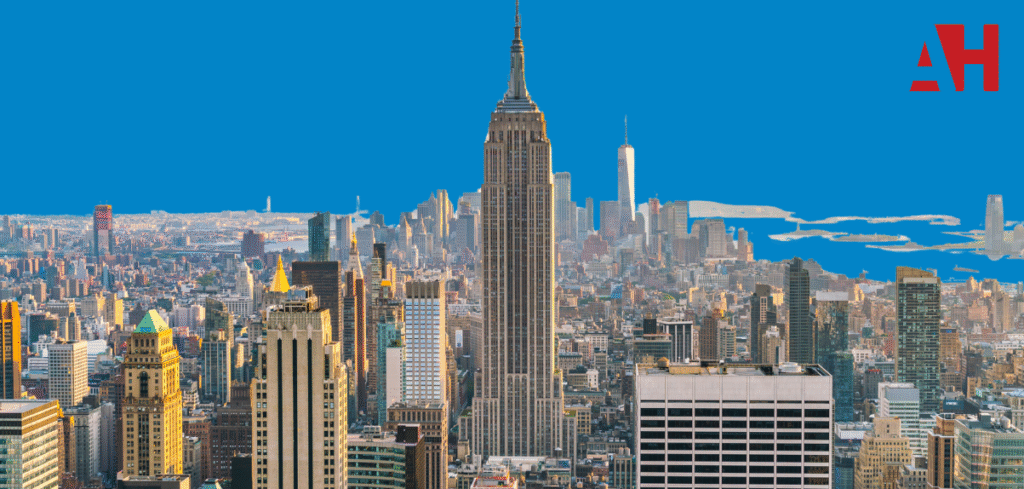
In New York City, rent stabilization has been the subject of debate for many years. Some believe landlords earn substantial income, while others stress that it is challenging to maintain sufficient profit. The reality is more nuanced: some buildings are financially healthy, while many others are under pressure. These differences are caused by variations in housing types, locations, and the way regulations have been applied.
The tension grows because tenants want to keep housing affordable, while landlords must ensure their properties remain well maintained. Finding this balance is a major challenge for the city.
What Tenants Experience
For many residents, a stable rent is a source of peace of mind. It provides assurance that their monthly costs will not suddenly rise.
When landlords face increasing expenses, this can influence the daily environment of tenants. Small repairs or upkeep may be postponed, which is noticeable in everyday life.
Tenants often see this reflected in elevators being serviced less frequently or common spaces being refreshed less often. For families and seniors, a reliable living environment is especially important. Stability is the key factor here.
Rising Fixed Costs
The costs of insurance, taxes, and administration have clearly risen in recent years. According to the Community Preservation Corporation, expenses for insurance and administration increased by more than 50% between 2020 and 2024.
This meant less budget was left for maintenance and improvements, which residents could sometimes notice directly. For landlords, careful planning and setting priorities have become even more important.
Banks today also assess building finances more critically, making it harder to secure loans for renovations. As a result, improvements can be delayed. This highlights how essential healthy finances are for long-term property care.
Antisocial Housing
When a housing complex has too little income for maintenance, the level of livability may decline. Researchers call this “antisocial housing,” a term that signals a lack of sufficient investment.
Residents may stay in their homes but experience fewer upgrades or improvements in their environment. Their quality of life may slowly be affected.
In earlier decades, such as the 1980s and 1990s, similar patterns were also seen in the city. Back then, it led to higher costs for the government to bring housing back up to standard. Today’s situation provides lessons for the future.
Misleading Averages
Data from the Rent Guidelines Board gives the impression that many buildings are profitable. However, it does not distinguish between older buildings with only stabilized rents and newer complexes with mostly market-rate apartments.
These numbers therefore create a distorted picture. For policymakers, this can make decisions about rental rules more complicated.
In practice, there are clear differences by building type and neighborhood. This underlines the importance of analyzing carefully rather than relying on averages. Only then can policy reflect reality.
Differences by Neighborhood
In Manhattan, many buildings consist of a mix of market-rate apartments and a few stabilized units. Here, income often rises faster than costs.
In the Bronx and other boroughs, the situation is different. Many buildings there are 100% stabilized, which means income is limited to annual increases.
These properties have more difficulty creating financial room. Tenants may notice this through fewer investments in shared facilities. It shows how location and housing composition make a real difference.
Ten Years of Change
Between 2013 and 2023, costs for median buildings outside Manhattan rose about 26% faster than income. This gap leaves less room for investment.
Reports from the Rent Guidelines Board confirm this trend. The gap between expenses and income continues to widen.
If this continues, more buildings will face challenges carrying out renovations and upgrades. As a result, the comfort of residents may be affected. This shows how vital supportive policies are.
Community-Based Organizations
Many buildings are owned by community-based organizations that, alongside housing, also provide services for the neighborhood. This includes educational activities, childcare, and social programs.
When these groups have less financial flexibility, it affects the entire community. They play a key role in neighborhoods with limited facilities.
Their work ensures that residents have more opportunities and feel at home. This is why stable income is crucial for them to continue their efforts. The link between housing and community services is clearly visible here.
Rent Freeze With Support
One solution can be found in programs like SCRIE and DRIE, also known as the NYC Rent Freeze Program. These programs ensure that low-income seniors and people with disabilities have their rents frozen, while landlords receive compensation.
Read more here about this initiative. Expanding it could protect more tenants while giving landlords steady income.
The program is more cost-effective for the government than broad rental subsidies because it focuses on specific groups. It also ensures that the most vulnerable residents truly benefit from protection. In addition, it helps keep housing quality intact.
Flexibility for Affordable Housing
About 300,000 stabilized units are part of a subsidy program. Due to a 2019 legal change, landlords can no longer adjust rents when tenants move, even if the homes would remain affordable under the rules.
This makes it harder for owners to finance upkeep and renovations. A more flexible system would allow them to better maintain housing quality.
Ultimately, this would lead to longer building lifespans and greater security for residents. It also shows how regulations can sometimes have unintended effects. See also this Urban Institute report.
Bringing Costs Down
Controlling costs is a key factor. Insurance premiums, façade upkeep, and environmental regulations all add expenses.
Buildings with only stabilized units feel this pressure the most. They lack the option of generating extra income from market-rate apartments.
A more transparent process around new rules could help keep expenses manageable. Governments, residents, and landlords can work together to find solutions. Learn more at the NYU Furman Center, and follow updates at The New York Times Housing.
Key Insights
- Rent stabilization gives tenants stability and safety.
- The biggest challenges are in fully stabilized buildings outside Manhattan.
- Rising costs affect upkeep and improvements.
- Programs like SCRIE/DRIE balance tenant protection with landlord security.
- Cost control and flexibility are essential for the future of affordable housing.